
Alaska Marijuana Laws 2026
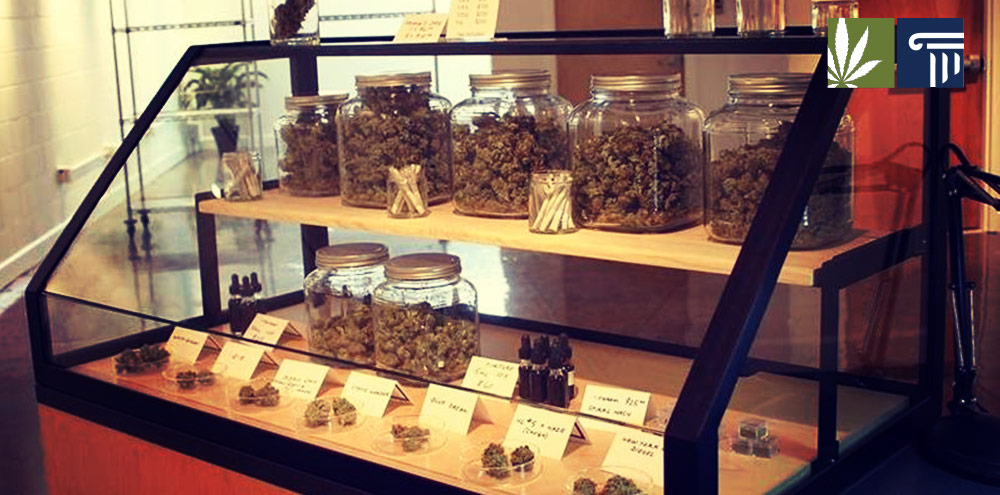
Marijuana is fully legal in Alaska in 2026 for both recreational and medical use. Adults 21 and older can buy from licensed dispensaries or grow up to six plants at home for personal use.
Last reviewed: May 2026 — laws change, always verify with a licensed attorney.
Recreational Status
Fully Legal
Since 2015 (Ballot Measure 2)
Medical Status
Fully Legal
Since 1998 (Measure 8)
Possession Limit
1 oz flower
7g concentrate
Home Cultivation
Up to 6 plants
12-plant household max
Recreational use
| Legal age | 21 and older |
| Where to buy | Licensed retail stores statewide (regulated by the Marijuana Control Board) |
| Home delivery | Not available — customers must be present at the licensed store |
| Store hours | No sales between 5:00 a.m. and 8:00 a.m. |
| Public consumption | Illegal — $100 civil fine |
| On-site consumption lounges | Available at endorsed retailers (Alaska was first state to allow this) |
| Driving while impaired | Illegal — applies to cars, boats, and aircraft |
Adults 21 and older can buy, possess, and use cannabis without a medical card. Present a valid government-issued ID at any state-licensed retail store. Most stores accept debit cards in addition to cash.
Public consumption is not allowed anywhere — not on sidewalks, parks, beaches, rental cars, or in hotel common areas. Consumption is limited to private property where you have permission to be. A $100 civil fine applies for public use.
Alaska was the first state in the nation to license on-site cannabis consumption (2019). Some licensed retailers hold a special endorsement allowing customers to consume on the premises. These businesses must meet specific requirements around security, ventilation, and local approval.
Driving while impaired by cannabis is illegal under AS 28.35.030 and applies to every type of vehicle — cars, boats, and aircraft. Alaska uses an impairment-based standard with no set THC blood level limit. First-time DUI offenders face a minimum $1,500 fine, at least 72 hours in jail, a 90-day license suspension, and a mandatory ignition interlock device.
Possession limits
| Recreational limit — flower | 1 ounce (28g) in public |
| Recreational limit — concentrate | 7 grams (purchased from licensed retailer) |
| At home (Ravin v. State) | 1-4 oz permitted at home under Alaska Supreme Court ruling |
| Medical patient limit | 1 ounce |
Staying at or under one ounce in public means no penalty. Going over — or exceeding 4 ounces anywhere — triggers escalating charges. See the penalty tables below.
A unique note on at-home possession: the 1975 Alaska Supreme Court ruling in Ravin v. State established that the state constitution’s right to privacy protects the possession of limited amounts of cannabis in the home for personal use. As a result, possessing between 1 and 4 ounces in your private residence is not treated as a criminal offense, though it is not explicitly authorized by Ballot Measure 2.
Home growing
| Plants per adult | Up to 6 (no more than 3 mature at any time) |
| Household maximum | 12 plants (2+ adults), no more than 6 mature |
| Must be out of public view | Yes — enclosed, locked space required |
| Must be inaccessible to minors | Yes |
| Counts against possession limit | No — home grow product does not count against the 1 oz limit while kept at home |
Adults 21 and older can grow cannabis at their primary residence. Plants must be in a locked, enclosed area that cannot be seen from outside — binoculars and aircraft are the standard used in law. Growing must occur on property you lawfully own, or with the property owner’s consent. Violating grow rules (for example, plants visible from outside) can result in a $750 fine.
Growing 25 or more plants is a felony. Growing cannabis for a person under 19 — when the grower is 3 or more years older — is a Class B felony with a maximum penalty of 10 years and $100,000 in fines.
Penalties
Staying within the legal limits means no penalty. Going over triggers escalating consequences from a civil fine to serious felony charges.
Note: penalties increase if the offense involves a minor, occurs near a school or recreation center, or the defendant has prior felony convictions. Vehicles and other assets can be seized through civil forfeiture regardless of whether criminal charges are filed.
Sponsored — Criminal Defense Attorney
Facing a marijuana charge in Alaska?
An experienced Alaska criminal defense attorney can review your case, explain your options, and help you understand whether your record may qualify for expungement or sealing.
[Attorney Name] — [Firm Name] — [City, AK] — [Phone Number]
Medical marijuana in Alaska
| Program status | Active (since 1998, Measure 8) |
| Patient possession limit | 1 ounce |
| Home cultivation | Yes — 6 plants, max 3 mature at one time |
| Where to buy | State-licensed adult-use retail stores (no separate medical-only dispensaries) |
| Issued by | Alaska Department of Health (Bureau of Vital Statistics) |
| State registration fee | $25 |
| Out-of-state cards accepted | No — but out-of-state visitors can purchase adult-use cannabis at licensed retail stores |
What conditions qualify for a medical card?
A licensed physician must certify that you have at least one of the following:
- Cancer
- Glaucoma
- HIV / AIDS
- Cachexia or wasting syndrome
- Severe pain
- Severe nausea
- Seizures (including epilepsy)
- Persistent muscle spasms (including multiple sclerosis)
- Other chronic or debilitating diseases producing the above symptoms
How do you get an Alaska medical marijuana card?
You must be an Alaska resident with a valid Alaska ID or driver’s license. Schedule an appointment with a qualified physician — telemedicine is accepted. The physician will assess your condition, issue a written recommendation, and you apply directly to the Alaska Department of Health. The $25 state fee is paid with your application.
Can medical patients grow their own cannabis?
Yes. Registered patients and their caregivers may cultivate up to 6 plants, with no more than 3 mature at one time — the same limit as for adult recreational growers.
Are caregivers allowed?
Yes. Registered caregivers can obtain, transport, and administer cannabis for patients. Caregivers must be 21 or older, have no felony convictions, and can care for only one patient at a time — unless multiple patients are related to the caregiver within four degrees of kinship by blood or marriage.
Can patients under 21 participate?
Minors with qualifying conditions can participate in the medical program, but they cannot purchase cannabis directly. They must have a registered adult caregiver who is 21 or older handle all purchases.
Does Alaska recognize out-of-state medical cards?
No. Alaska does not accept medical cards from other states. However, out-of-state visitors can purchase cannabis at any licensed adult-use retail store just by showing a valid government-issued ID and being 21 or older.
Taxes, employment, and your rights in Alaska
What taxes apply to cannabis sales?
Alaska charges a $50-per-ounce excise tax at the wholesale level, paid by cultivators rather than consumers. This cost gets passed through to the retail price. There is no statewide sales tax in Alaska, but municipalities can add their own local taxes. Anchorage charges 5% on cannabis sales; Juneau charges 3%. Medical marijuana patients may be exempt from local taxes in certain jurisdictions — check with your dispensary.
Does Alaska have on-site consumption lounges?
Yes. Alaska was the first state in the nation to authorize on-site cannabis consumption at licensed retail locations (2019). Retailers can apply for a special endorsement from the Marijuana Control Board allowing customers to consume on the premises. Not all stores have this endorsement — ask before you visit if on-site consumption is important to you.
Does Alaska allow expungement of marijuana convictions?
Not currently. Alaska is the only state that has legalized recreational cannabis but still has no process for expunging or sealing past marijuana convictions. If you have an older possession conviction, it can still affect employment, housing, and education opportunities. Speak with an attorney to understand your options.
Can employers drug test for cannabis?
Yes. Alaska employers can require pre-employment and ongoing drug testing. There are limited protections for medical cardholders in some employment contexts, but recreational cannabis users have very few workplace protections. Consult an employment attorney if you have questions specific to your situation.
Can landlords ban cannabis use in rental properties?
Yes. Landlords can prohibit cannabis use on their properties regardless of whether a tenant holds a medical card. Federal housing regulations also restrict cannabis use in federally subsidized housing. Review your lease and seek legal advice if you are unsure of your rights.
Sponsored — Cannabis Business Attorney
Starting or operating a cannabis business in Alaska?
Licensing, compliance, cultivation facility rules, and business formation for Alaska cannabis operators. Only Alaska residents may hold state cannabis licenses.
[Attorney Name] — [Firm Name] — [City, AK] — [Phone Number]
Recent changes
- 2019: Alaska became the first state in the nation to authorize on-site cannabis consumption at licensed retail stores. Retailers may now apply for a special endorsement from the Marijuana Control Board allowing customers to consume on the premises.
- October 2016: The first licensed adult-use retail stores opened in Alaska, bringing legal recreational sales to the public for the first time.
- February 2015: Ballot Measure 2 took effect on February 24, 2015, making personal possession and home cultivation of cannabis legal for adults 21 and older.
- November 2014: Alaska voters approved Ballot Measure 2 with 53.2% of the vote, legalizing recreational cannabis.
- November 1998: Alaska voters approved Measure 8 with 58.7% support, establishing the state’s medical marijuana program.
Official resources
- Alaska Marijuana Control Board — licensing, regulations, and find a licensed retailer
- Alaska Department of Health — Medical Marijuana Registry — apply for or renew a medical card
- Alaska Marijuana Statutes and Regulations — full text of AS 17.38 and related rules
- NORML Alaska — current laws and penalty summary